Lessen the Stress of Chronic Illness


 Apple Podcasts
 iHeartRadio
 Spotify
 Amazon Music
 Castro
 RSS Feed
 TuneIn
 Podchaser
 Goodpods
 Castbox
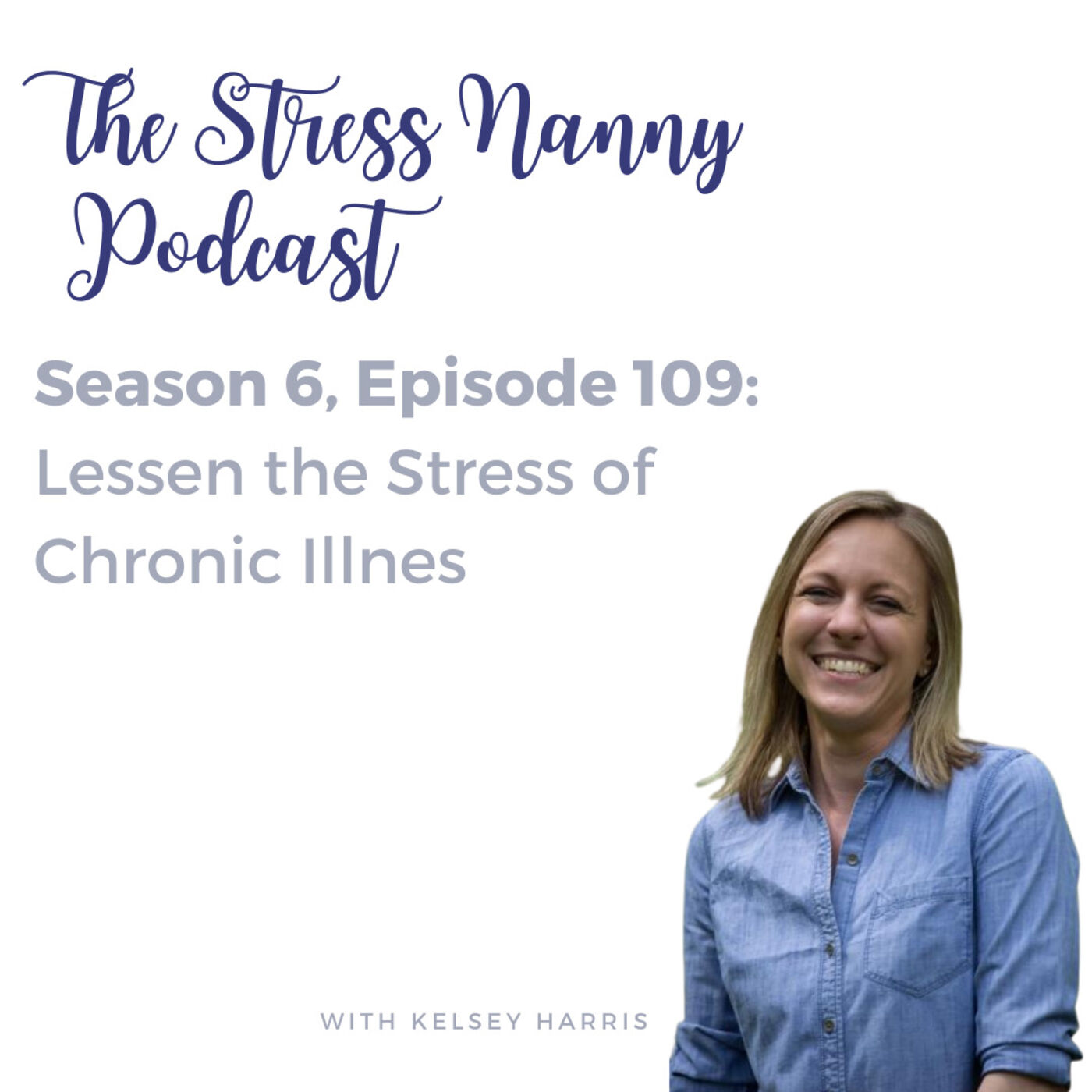
 In this episode Kelsey Harris and I talk about how to shift your mindset and find support to lessen the massive amounts of stress that accompany chronic illness. As a psychotherapist, Kelsey shares simple and effective tools that bring more peace and meaning to those who have chronic illness. She says that hard things are a part of life but suffering is optional. This conversation will have you re-thinking what is possible when it comes to chronic illness.
Kelsey Harris is a a writer and registered clinical counselor living in British Columbia, Canada. Having navigated her own journey with chronic illness, she is passionate about helping others through her blog, podcast, and meditation channel.
Lindsay Miller is known for her talent show suitcase tricks and infectious laugh. When she's not playing catch with her daughter or rollerblading on local trails with her husband, you can find her using her 20+ years of child development study and mindfulness certification to host interesting conversations to help families stress less and to dream up new ways to get kids excited about mindfulness. You can find out more about Lindsay on her website.
Did you enjoy this episode? Please leave a quick review here.
See acast.com/privacy for privacy and opt-out information.
Lindsay Miller 0:24
Hey, this is Lindsay, thanks so much for joining me on the podcast. If you know me, you know that I navigate a chronic illness and I'm so excited to share an interview with my guests today, Kelsey Harris, about navigating the stress of chronic illness. This week's episode about supporting yourself or someone else who experiences chronic illness is brought to you by the Central calendar, a simple tool with a big impact to keep family life organized. It's an 18 by 24 wall calendar where you can see three months at a glance. You can find it exclusively at www.thecentralcalendar.com and listeners can use code stress ninny for 25% off.
Welcome to The Stress Nanny podcast. I'm your host, Lindsay Miller. And I'm delighted that you're here to make your life a little less stressful and a little more connected. I'm so excited to introduce you to my guest today, Kelsey Harris. Kelsey is a psychotherapist and someone who has lived with chronic illness. She hosts the podcast chronically living and she has so much wisdom for those of us living with or supporting someone who navigates chronic illness. Kelsey, thank you so much for joining me today.
Kelsey Harris 1:29
Oh, thank you so much for having me on. I'm very excited to be here.
Lindsay Miller 1:31
Yes, we've chatted before and I'm just looking forward to connecting again. So thank you. One of the things that I want to hear more about is your own experience with chronic illness. I know you interview people, you talk to people, you counsel people with chronic illness, and there's just so much about it. But let's start out with your story. Yeah,
Kelsey Harris 1:53
for sure. So back in 2015, I noticed that I was starting to get some body wide pain, I was starting to feel really tired and fatigued. I had just moved to Toronto and Canada, from Winnipeg, so it'd been a big move. And about two months after I moved my spouse and I got separated. So it was a very stressful time in life. So you know, which we know impacts chronic illness, which we'll probably get into a bit later. But But yeah, I started having all this pain, I was really tired, had missed a whole bunch of days at work, and get kind of got flagged for that. So I went to the doctor, the doctors like Oh, I'm not really sure runs a bunch of standard tests. The only one that initially came back as weird was uric acid levels. So the doctor is like, Oh, well, I guess you have gout. So I was like, okay, that's alright. Sure. Like, if that's what you say, and that took the medication wasn't feeling better. So, you know, fast forward a few months, we're into 2016. And I managed to get myself an appointment with a rheumatologist. And the rheumatologist. First thing she says is you definitely don't have gout. Because you're having your period still. And Gout is only possible if you have a certain period yet no longer have a period, you know, you're postmenopausal or whatever. Yeah, like oh, okay, not good. So then she, you know, she runs all the standard tests, you know, come back very high anti nuclear antibodies. And based on some other symptoms, she initially said, you know, I think you have lupus, but what we're just going to kind of monitor it from here. And then about four or five months later, she added fiber, my elegiac, she's like, not all European seems to be like connective tissues. So it's probably some Fibromyalgia two really common for people with lupus to also have fibromyalgia. So that kind of made sense. And then about another year went by and I wasn't really getting any new symptoms that would flag me for lupus. So she, she eventually rolled that back is like, I think we're gonna call it undifferentiated connective tissue disease. So it's like, all right, which is is a better prognosis, because it means you're you don't We don't really have lupus or rheumatoid arthritis or anything like that's, you don't really get the or typically you don't get a lot of the Oregon issues, which is fantastic. So I was like, Okay, I'll stick with that. Yeah. But in the meantime, I you know, I got into another relationship that a messy breakup, and I was super anxiety ridden. And I really didn't feel like the medications I was on were doing a lot for my pain. So I was just not in a great place. So I started to I went to my new GP and was like, you know, can you give me some referrals to like physiotherapy, chiropractor or like, whatever. And I was really convenient because my GPS office was in a bottom floor and the Wellness Center was on the top floor. Nice. So they had everything up there. Yeah. So I just I went upstairs and started doing you know, physio chiropractor started seeing a naturopath, massage therapy and a psychotherapist. And I really feel like this whole, like very integrated health team helps me really control my symptoms, you know, I started doing things like mindfulness and the psychotherapy, I thought was really helpful. And so then I started to notice that my quality of life and well being really improved, my symptoms were not really as intense. And yeah, and then that I eventually decided to go back to school become a psychotherapist and, and here we are today.
Lindsay Miller 5:37
Thank you for sharing that there's so much in there that, first of all, gives me so much compassion for your journey, because that's it's hard to go through those, especially those challenging times when the symptoms exacerbate, and you can't figure out what's going on. And it just feels it feels kind of helpless and hopeless, sometimes in those moments, because you're like, I don't even feel well enough to research this, let alone, you know, have someone help me figure out what on earth is going on and make it through this other, you know, traumatic event that I've been experiencing. And so I have so much compassion, and also respect for like your courage to keep on figuring it out. Because I think in so many moments, right, when we're told by someone who is in authority, especially a medical authority, like this is what it is, this is what you can expect a lot of times we don't question or look for more, or, you know, and that in and of itself, I think is really stressful. Because when we when we do just kind of take the label and then don't empower ourselves with knowledge or a support system that like you said, even with the label can really uplevel your quality of life. It kind of feels like a sentence, right?
Kelsey Harris 6:52
Totally. Yeah. And actually, it's interesting. I went to a summit on the weekend, it was the world pain summit and Gabor Ma Tei was one of the presenters, one of the keynote speakers in LA. So the he said really rang with me, which was like, people who do well with chronic illness have a sense of agency, they take control. They're not waiting for the doctors to and I was like all that like that resonates for me, because that's really what I did was took control.
Lindsay Miller 7:15
Totally. Yes, yeah. And in the research I've been doing around stress, it's been interesting, because this idea of stress creating, like limited connection is been coming through, right. And there's research that shows that when we're under duress, so a lot of times we kind of scale back so we can protect the few resources we have, you know, time, money, energy. And when we're not feeling well, we tend to just kind of withdraw, sometimes to you know, help keep all of that contained, and not give anything extra because we often don't have a lot extra to give. And so it's interesting to think of it in that context. Because in the moments when maybe stress would make us kind of scale back and just kind of take it and let whatever's going to write out right out, play out play out. We like have to take that action step like you just said and do something even though it feels counterintuitive to maybe what are, you know, emotionally or psychologically or physically, we're feeling like we're feeling that withdrawal. But the key is to like step into a different level of support. Right?
Kelsey Harris 8:24
Totally 100%.
Lindsay Miller 8:27
So talk to me a little bit more about your, like, the time you spent with the wellness professionals, because I think it's something you and I have in common in our stories is coming into this whole different culture of people who are really set up to support what you were trying to do. Right.
Kelsey Harris 8:46
Yeah, definitely. That I mean, the whole experience is great, especially because at least when I first started going there, they all were in the same office. So I knew that they could they knew each other they would ask about, you know, what I was doing and other appointments and I mean, they could look it up to I was totally fine with up looking up what I was doing. So just that team like I knew I had this really great support team. And, you know, whether it's getting a back adjustment or learning to do some exercises, you know, that instruction or some kind of like exercise to help with pain or getting a massage, I really felt like it was all really helpful. And I eventually they were trying to convince me to like go to the gym to work out I was like, well, but like that's going to be terrible. Like I'm going to be in so much pain. But when I eventually let them convince me to I was like, Okay, I'll go try. And I worked out with personal trainer, actually, which was a really good idea. I noticed that oh my god exercise is actually something that has really helped with my pain. So that was a great syndrome. Yeah, and just like really let like you have to be open to I think one thing for me was always really open to trying new things. So if they were like, We want you to try this, I would be like, Okay, well, we'll try it. And then the naturopath and psychotherapy, I really felt kind of went hand in hand because there was definitely some overlap. So, you know, naturopath will always talk about one mind body connection, and good therapists will as well. So, you know, there was a lot of mindfulness integrated acupuncture on the naturopath end, and then no combination of talk therapy, and it was very cognitive, behavioral, you know, so again, helps with the behavioral activation component of actually having that sense of agency, which again, was super helpful. So I really just, I thought that the whole wellness profession, if you'd like kind of do an expanded version of it was just incredibly helpful for me. And actually, as a new psychotherapist, I have joined two different integrative health clinics so that I can be part of that kind of team, because I know how much it will help other people. Yeah,
Lindsay Miller 11:01
yeah, that's such a great illustration, because I think that when, when illness strikes, or when we're in a lot of pain, we naturally go to that space where we want to prevent more pain, right? Like you said, I don't want to go exercise because I'm going to be in a position where that's going to cause me additional pain, and, and really having a team to kind of trust and rely on who can support you into that next level of your wellness, like, actually, we've kind of, for me, it looks like a flare, right, so if I'm in a flare, my inflammation levels are higher, things are kind of ramped up in my body. And like the professionals that I work, like, I have a massage therapist and a chiropractor, and, you know, a counselor. And in in those moments, like when I rely on my support team, I can bring down my levels of inflammation, right, and I can mitigate some of the repercussions of that flare in a way that like I can't on my own. So those years when I was just dealing with it on my own and kind of looking for answers and not finding them and not sure where to go or what to do. Like I really didn't do a ton of physical activity, because I was just like, I gotta just conserve whatever, you know, bit of functionality I have right now. And so it was mission critical only, you know, like, I was driving my daughter to school, I was playing with her after school, I was picking her up when I could, because my back would go out all the time. I mean, it was just, like so much about it was so hard. But then like recognizing that when we moved through that maybe really initial phase and can move into a maintenance phase that some of those activities can come back online. Right. And we can bring some of that back in when we have the support we need and the awareness and the knowledge to kind of manage our body and in the chronic illness in whatever way it it manifests itself.
Kelsey Harris 12:47
Yeah, yeah, totally. I find the same thing like with when I have a flare like I can, it's easier to manage it when you're having, you know, other people help you and yeah, exactly that support.
Lindsay Miller 12:57
Yeah, and the belief, right, because I think that's the key to the agency, right? It's like the precursor and for anybody listening, who is you know, navigating chronic illness or is wanting to get the courage to maybe, you know, seek a different provider or seek a wellness team. I think having the belief that yes, even for you. This can be helpful, right? Because it's so often it's easy to just get stuck after trying so many things, to then feel like nothing is going to work. And like I'm kind of giving up, nothing is going to work.
Kelsey Harris 13:30
Yeah, and like I always see on social media, people say, well, mindset mindset can't cure me my mindset, but no, it's not gonna cure you. But, you know, mindset is so important to improving your life. And if you don't have that, that mindset where you think that you can improve your life, then you just won't it that's just basic psychology. Really?
Lindsay Miller 13:50
Yeah. Yeah. And I think too, with chronic illness, at least, there's this recognition that while ultimately the situation like, I think it's different than some other illnesses in some ways, because you kind of have a prognosis in your head of what this looks like down the road, you know, there and sometimes life hands us illnesses that are like that. And then sometimes, you know, we get struggles that are more sudden, or I think that that mindset piece comes in so key for chronic illness because you have to manage that, right? It's like you're saying about lupus and fibromyalgia like, if that's your diagnosis, like you going 10 years into the future, you're going 20 or 50, you know, however five into the future and thinking about what that looks like for you. That can be so staggering, right? And it can almost kind of just land us in this place where we're immobile, like we don't actually move because we're scared of what, what it will look like. Or we're like, well, what's the point, even if I make an intervention now, you know, there's no guarantee that this will resolve. It's something I'll likely live with and it's more about managing it than it is about fixing it.
Kelsey Harris 15:00
Yeah, the fight flight or freeze response definitely kicks in. And then that's where a lot of people get like, like I did initially really anxious. Like, that's a totally normal reaction to having a chronic illness. Yeah, yeah, totally
Lindsay Miller 15:13
well, and like recognizing that it's a physiological, it's a mental, right. I mean, it's all of the things. It's, it's spiritual, too, because a lot of times, it's like its own little faith crisis wrapped up in whatever your spiritual tradition is, because you're like, wait, we were well, what? And having like, gentle, gentle perspective, and whether that's when you cultivate with the help of a professional, or you just steadily rely on the help of a professional to do that. It's so key in bringing yourself into a position where you can believe and then take action, right and move out of that like immobile phase. Yeah, completely. So one of the things that I think is also important to kind of recognize is this idea of grief around chronic illness. Because while there are some things we might that might come back online, like we talked about, there are other things that maybe we have to kind of reconfigure and let go of in grief. Maybe it's expectations, maybe it's relationships, maybe it's, you know, just opportunities, maybe it's just the way we you know, our relationship with our body. I mean, there's just a whole layer, I think of things that we have to process. But a lot of times for those of us especially like me who wanted to be like, it's fine, it's all fine, I'm fine, it's gonna be fine. Like, I'll make it through, I'm gonna put a smile on my face and just keep on moving. You know, sometimes I know all the time, I have a tendency to try to, like gloss over, like, I know, I need to grieve that. But I'll just think my grief, and then that will be enough, you know, and I don't have to feel the grief or let it you know, sit with me, I'll just recognize that has to be part of this and move move on. To talk to me about the grief part.
Kelsey Harris 16:53
Yeah. So, you know, I think what you just described as a very normal, societally conditioned reaction is that we're basically taught to distract from our emotions, or avoid our emotions, as opposed to, you know, accept or embrace our emotions. And grief is a totally normal human emotion. Like we we you can't get through life without grieving something, you're going to lose a friend, a parent, you know, some loved one, you're going to lose, you're gonna lose relationships, like people don't go through life without losing anything, right. And health is definitely one of those things that we will typically eventually everybody loses, right? Like, whether it's your young, which is obviously a lot harder in a lot of ways, or whether you're really old, you are going to lose your health. So I think it's normal to just have that emotion. And you need to recognize that it's okay. The thing about, you know, when we're talking to like illness, grief or loss of health, is it's disenfranchised grief. So it's really not understood why by society. And that can make it harder for us and make us want to then really distract or avoid from it as opposed to being like, no, like, I need to just accept it and feel this emotion. I really think that acceptance is the key coping skill here that it's gonna help us move on, and ultimately to make meaning. So I, most people will probably be familiar with the five stages of grief. And that model is pretty widely accepted, it's a bit misunderstood, in that you don't actually have to go through all five stages. And the stages aren't actually in any particular order. But we'll just use that as our model. So recently, I think it was in the last 20 years, they actually added a sixth stage to grief, which is meaning making. So the meaning making doesn't have to do with the actual loss, because we can't really find meaning and like if you lose a child, for example, you're not going to find meaning in the loss, that loss is impossible, nor should you try to, but it's the meaning making comes from what we do after the loss. So for example, for me, you know, health, not good, also some relationships. And but what did I do, I was like, you know, what, I actually really want to help other people get through this as well. So that's where I found my meaning making, and everybody's gonna find it in different place. But I think that, you know, understanding that that's going to be part of your process, it can actually be a bit helpful to allow yourself to kind of, again, accept the emotion and move through it, and accepting it without letting it overtake you is important.
Lindsay Miller 19:31
Yeah, thank you for sharing that. And I'm grateful you brought up meaning making because I think, in so many instances, especially with dis disenfranchised grief, I'm glad you brought that up too, because I've had like a steady slew of disenfranchised grief for you know, most of my adulthood. And it's been so interesting to me, it's been hard and you know, heartbreaking and all the things but in in like a more intellectual way of considering it. It's been so Interesting to move through that meaning making process, because it is deeply personal, and especially with something that's a disenfranchised event, something that not everyone can relate to something that, you know, it's not obvious if you look at me what I'm grieving, or what I'm dealing with, right? That when we move through that meaning making stage, like we make some pretty sometimes significant shifts in ourselves, or in our relationships, like our external environment, right, that come about as we kind of connect with a sense of purpose, or, like you said, meaning in moving through what, you know, whatever the losses that we've just experienced. And I think that one of the things I connected with around this is Victor Frankel's teachings, in his book, yes to life. And you know, Viktor Frankl, in concentration camps, like he had already had this background in psychology, he was founder of logotherapy. And he really just had some of these pieces to all, you know, wrapped up and put together, and then he finds himself in a concentration camp, without his family. I mean, he's just like, grief is abounding, and so is suffering, and just, you know, the worst, the worst humanity can offer, you know, and then he's writing about these beautiful moments of humanity. And, you know, these times when people were just doing something incredible. And, like, his ability to mine out those like moments of meaning in the thick of something so horrendous, feels like, Okay, if you can do that in, you know, if you can do that in that setting. I mean, I, you know, I'm gonna listen to whatever he has to say, I'm gonna, and I'm gonna take notes on how he makes meaning. And so anyway, like, and afterwards, he's teaching and he's sharing that idea of meaning with all, you know, all these different people who are still in the throes of recovering from the awfulness that they had lived through. And I think that when we go through our own, you know, whatever it looks like for us individually, our own moments like that, that like connecting with someone who has done it before, you know, someone who has walked through grief, walk through pain, walked through chronic illness, walk through loss, and made it through to the other side and kind of looking at their story and saying, like, okay, even if right now, I can't see that, as part of my story, I can hardly even believe that could be possible, I'm going to look here, and I'm going to see like, Okay, if I can, I'll just rely on that person's story for a little while. And that'll help me kind of get the momentum that I need to get going. And then slowly, I think the meaning making comes right, at least for me, like it wasn't all I couldn't like, and tomorrow, this is how I'm going to make meaning from all of this, right? It's like, it's this process where you're just kind of like mining your soul, because you're trying to figure out what on earth is going to create, like a level of engagement with you, you know, for life in a way that kind of matches what you lost?
Kelsey Harris 22:53
Mm hmm. Yeah, it's important, you mentioned that meaning making doesn't happen immediately. You're right. It can take years for someone to really make meaning out of a loss or, you know, of suffering of whatever they've gone through. So, you know, definitely no one should be thinking, Oh, my God, I have to go make meaning from this tomorrow,
Lindsay Miller 23:14
tomorrow. Yeah, and then, like, add another layer of stress to what's already stressful.
Kelsey Harris 23:19
Exactly. I love Victor Frankel's work, I know how to study him just through psychology and, and read some of his books as well. And he's got two quotes from Man's Search for Meaning that really, I think, are really important for us to look at. I mean, there's literally the whole book is you can just write. But two quotes that I thought were really great were, you know, if there's meaning in life at all, then there must be meaning and suffering. without suffering and human death, life cannot be complete. So I think that's just really important for us to remember that like this is, pain is a part of life, we can't avoid that we can't escape it. It's just again, very normal. And then the other quote that I really like, is just a long quote, but I'll kind of paraphrase it, but it's saying yes to life in spite of everything. And this presupposes that life is potentially meaningful under any conditions, even those which are most the most miserable. And this press pisode. presupposes the human capacity to creatively turn life's negative aspects into something positive or constructive. I mean, like, and you can really see where he's going with meeting making there. But I just I think that those kinds of two quotes really, especially with chronic illness, it's like yes, like this is if you if you really think about it, this is so true. And yet when we're talking about suffering, pain, times resistance is what creates suffering. So what's the opposite of resistance?
Lindsay Miller 24:54
Acceptance.
Kelsey Harris 24:56
Exactly. So you know if pain is an unavoidable part of life. Suffering is not suffering is actually optional. And I know that's really hard for people to grasp. Because especially people who feel like they are suffering like this is not optional for me this is now I'm not choosing, why would I choose this? And I totally get it. But the truth is, if you do the opposite of what you are currently doing, you are likely to not suffer anymore. I mean, I honestly really learned that through experience, and then, you know, have since done a lot of research and counseling in this area as well. So I think again, you know, it's really important for people to understand that, yes, like things in life suck for everybody. But we do get the choice in what we do with that soc. And how we approach it.
Lindsay Miller 25:45
Yeah, thanks for bringing that up. Because I think that again, this idea of stress, right, if we're fighting it, we're adding a whole burden of you know, physical, mental, emotional, biochemical, I mean, we're adding cortisol to the system, right to the already stressed system. And so if we can kind of wrap our brains around, like the physiology of stress, like if a body is already under duress, because it's experienced a chronic illness, and then our mental fight about that illness is, you know, adding a whole delusion, more stress, like there's just not, it's not in service, right to where we want to go. And so we can, we can very simply, although it's not a simple process, usually at all right? But ideally, we can just let go of that resistance and already feel like a level of release, right and already feel a lessening of stress. And it's legit, it's real, because the fight takes so much energy, right?
Kelsey Harris 26:47
Yeah, exactly. And you're fine. You're like, so many things in your life can change just by making that switch. Yeah.
Lindsay Miller 26:57
Yeah, I can remember. I was training for triathlons, and you know, super active, and that was when my inflammation it was starting to ramp up and I was fighting it like, nananana No, this isn't who I am. I'm super active. This isn't my body. Like, I'm just popping ibuprofen all the time. I'm taking tons every like, it was just a constant, like battle that I was losing consistently to keep my inflammation levels in check. I was staying up super late. I'm gonna have a toddler. It was just so much. And I remember getting to the point where I had to say like, I can't do triathlons right now. And they're just sprint triathlons. Like, I wasn't going to the Ironman or anything, you know, but it was a fun being it was something I did with my friends. It was way I was interacting. And I remember having to sit with that and say, like, Okay, your back is going out three times this week biking, you are not in a position to do this. And having to be like, okay. You know, and, and again, that grief, right? Like nearly no, so many other things have already been like off the table for me. Like, this is something that brings me joy. I love it. Like, I'm not gonna give it up. And I think having enough of those moments where I'm like, clinging so hard, right to the thing that like, you're saying to the thing that I just will not let go of event like I kept doing myself injury because I was like, no, no, not me, not me. And finally, getting to the point where I was like, Okay, this is actually what we're looking at a body that is not able to manage even a bike ride right now. Like, that's actually that's the place we are at, this is where I'm at. And when I did that, then I had to, like, sit with what that looked like and what that person needed. Instead of what the person that I thought I was needed, like, need to know, she needs to keep pushing, she just needs to work through this, like she's going to, she's going to make it through on the other side and finish that triathlon and, you know, feel like, Finally, like you take that body, I figured it out, you know? It took it took me three bottles of ibuprofen, but I did it instead of saying, Okay, right now I'm dealing with a problem. That's not one that I want to deal with. It's not something that's bringing me any kind of joy, and I'm really looking for joy. It's something that's actually kind of devastating, and it's going to make me feel even lonelier. It's going to make me feel even more, you know, like weak. It's going to remind me of my mortality. But that moment is turnkey, like you said, because of those shifts that come when you sit there like actually be present in where you're at. That's what opens up. Everything else. Right.
Kelsey Harris 29:39
Yeah, and even what you offered yourself in that, that story is that you offer something self compassion, right, like, and that's so important. So, again, at this summit that I just went to Kristin Neff was the other keynote speaker. And so crypts, Kristin Neff, for anybody doesn't know is basically the leading researcher in the world on self compassion. And she was saying A telling us about a study that she didn't personally wasn't involved with. But it had just recently been done. That was showing treatments for chronic pain. So they were looking at self compassion versus cognitive behavioral therapy. And CBT is a very highly evidence based treatment for chronic pain. And self compassion had better results. Yeah, so just like think about that for a moment, like we need to. It's, it's so most of us are conditioned to we're not told, trained or told to offer self self compassion. It's all about compassion for others, which is great. But you actually can't really be that compassionate to others if you don't have self compassion anyway. So if you start turning that inward, you are again, going to see improvements with your physical health, your mental health and and your relationships with other people, which again, are really important for for managing stress or illness or life. Right?
Lindsay Miller 30:54
Yeah. Yeah, I'm so glad you brought that up. Because I think too, in our conceptualization of psychology, especially as it pertains to women, I think a lot of times we're using models that were created by men, for men around men, you know, and, and there was a time and a place when that was the only way to research and that was the best that you know, as a society we could put up. And, you know, several weeks ago, I did a podcast with Laura Parson, Dr. Laura Parson, and she studies like gender and trying to create scenarios in educational and community settings that are more equitable, you know, for anyone who shows up and walks through the door. And one of the things she was talking about was the, you know, we talked about Carol Carol Gilligan's work back in the 70s, where she said the primary developmental task for women is to learn to care for themselves. And other people, you know, and like, a lot of times, we go like whole hog around this idea of caring for other people. But that's actually a more masculine developmental task, caring for others. And so it really is developmentally for women, like you said that, that piece, that self compassion piece, and being able to take deep and loving, loyal care of ourselves, as we are able to do that for others. It that's our that's our main job, right? And women developmentally, morally, as we navigate life, and I think that your words around that were so beautiful, because that depth of compassion that we can feel towards ourself only increases the compassion we can feel for others. And a lot of times we see that as a net loss, right? If I'm going to, if I'm going to care for myself, that's going to mean less care or marginal care for other people. But it's not actually the case. It deepens our care. It deepens our empathy, right?
Kelsey Harris 32:41
Yeah, exactly. The other thing I've heard from from clients actually tell me is that it's selfish to have self compassion, but it's actually not selfish at all. It's, it's again, linked to compassion for others. So if anything, you're being less selfish by being self compassionate, then you wouldn't be by only being compassionate for other people and just being really mean to yourself.
Lindsay Miller 33:02
Yes. Oh, that's powerful. Yeah. Yeah. And I think too, I love that study you brought up because the, the real work wasn't in you know, having someone else sort out your your mental, you know what I mean, it was in taking better care of yourself. And I can't remember a time when I was at a summit. And when I was first kind of getting into autoimmunity and understanding what was going on in my body. And after I left the summit, I left thinking like, okay, the main problem here is that the body that I'm in doesn't realize that I'm actually taking care of it and sees me as a threat, you know, like, at its core auto immunity is that, oh, that the way I'm taking care of myself has actually told my body that I am a threat, you know, and there's more to it than that. And genetically there are, you know, other components and triggers external environmental factors. I mean, it's not all me, but knowing what I know now about inflammation and about autoimmunity, like, I certainly play a role in the way that this plays out. Right. I mean, I, I can really be like the careful, compassionate one to this body, or I can be the one that keeps running it into the ground. Yeah,
Kelsey Harris 34:13
yeah. I think that sort of goes right back to sense of agency, right? Like, then, you know, you know, that you can take control of what you need to take control of.
Lindsay Miller 34:21
Yeah. Talk to me about some of the ways you've seen people work through this process of kind of just acknowledging and accepting and then creating meaning in the space of chronic illness?
Kelsey Harris 34:33
Yeah, so it's a great question. So primarily, what I use as a therapist is called Acceptance and Commitment Therapy, or act for short. So for I'm going to assume most people don't know what that is because it's not really talked about a lot, but it's a it's a type of cognitive behavioral therapy. It's it's a third wave as it's described. So it's kind of behavioral, but it also has elements of existentialism, which of course We know is partly about meaning making. And and it's very experiential. So you know, yes, I sit and talk with my clients, of course, but we always spend about 15 to 20 minutes every session doing something together. And what act uses is a model called the hexa, flex. Max Flex is basically just six different processes that all have like skills within them, to help you essentially improve your well being and quality of life. Like that's literally what the expectation is, the expectation is not to make your emotions go away, it's not to, it's technically not to get rid of anxiety or depression, because again, these are like normal human emotions, right? So we're not trying to completely eliminate them. So I really resonated with when I was learning about it, I was like, this makes so much sense to me. And the six processes are contacting the present moment. So kind of similar to mindfulness. The only caveat to that is mindfulness kind of is part of many of these processes. So it's not specific to that one. Self is context, which is really about noticing, and awareness. diffusion, which is creating some distance between yourself and your thoughts. Acceptance, of course, which we've talked about a bit, values, so just related to find who and what is important to you. And then the last one is committed action. So some people may know this as behavioral activation, or really values based living, so are you actually going to do things that align with your values in your life. So like, for example, if your bellies health, but you're sitting on the couch, eating potato chips, like that is not really the right kind of action you shouldn't be taking, right? And no offense to anybody who sits on the couch and spinach chips, I certainly have my days where I do that, too. So but it's about recognizing that. So, you know, there's a lot of, you know, a lot of techniques that I've used with clients to help them work through these different parts of I mean, definitely mindfulness meditation is a, I think, is a core skill to get people to be able to even do anything else in this hexa flex. And I will say, meditation, yes, but you if you really don't like meditation, there are mindfulness skills you can learn to use that are not meditation. So what I like to teach clients is dropping anchor, which is a grounding skill. So it's just getting really present in the moment, but it's not actually like sitting there meditating. So there's that kind of thing. The noticing the self is context for the noticing part. I just ask clients what they're noticing, or what they're noticing about, they're noticing. So if you want to use on yourself, you just if you're if you're present in the moment, you can ask yourself, What am I noticing right now? Really easy way to kind of anybody can bring that into their life. Just distinct from thoughts. There's like 1000 techniques for this. But if people want like a really easy one they can use at home. When you have a thought it's whether it's distressing or not distressing, but definitely with distressing thoughts. Remember that your your brain is actually trying to help you right now it's trying to problem solve, all our brains are trying to do is problem solve for us. So yeah, it may give us it very distressing thought. But the thought is meant to help you in that moment, even though it's not helping you. So something you can just say is thank you mind, like thank you for the thought. You don't have to believe the thought right? Just Just a thought. I'm just taking that moment to acknowledge that it's just the thought of acceptance, we talked a bit quite a bit about already, but it definitely involves that self compassion piece. And then it involves just again, allowing the emotions so something like one that I really like a specific technique is called observe, breathe, expand, allow, so you're observing the emotion that you're having, or the physical sensation, you can totally do this with pain. So okay, I'm observing that I have some pain in my hip. Oh, it's, you know, kind of imagine what it looks like well, maybe it looks red, and it's like a line and it's moving kind of slowly. So just absorb what it looks like breathe into it. Take that deep breath send the breath into that area. So again, it can be an emotion it can be sensation expand really means just make some room for it. Now just imagine your your body's a little bigger than that feeling or a sensation is and then just allow it to be there and and like I think that's super powerful and super helpful and I've seen it help a lot of clients again both with with sensations and emotions values is really comes down to just exploring who and what is important to you so there's me there's a million ways you can do this you can look up values checklists online or you know just really ponder it like oh a coup and not just a coup and why is important, but why is it important to you is like a lot of people will answer like my family is important to me. Okay, but what what is it about your family that's important to you? Is it spending time with your family? Is it Just having family like, like, try to get specific with these things, because it's going to help you in the last part, which is the actually going to do the values based things. So like I said, you know, it helps important to you, even if you have a chronic illness, but you you bring told that, hey, you know, like exercise will probably help you, then it would the committee action will be like, maybe I go for a walk around the block, maybe it's just around the block, no one says it has to be further than that. But it's, you know, getting up and going to do that thing that is important to you. So that's basically how I would work through it with clients in whatever order, you know, it was naturally coming up in.
Lindsay Miller 40:36
Yeah, oh, thanks so much for sharing that there was so much great wisdom in there. I love that hexa flex, I'm gonna have to look that up. Because I feel like there's so many steps that you outlined, that were kind of naturally part of where I landed, but I didn't have any kind of guide, you know, a guide to take me through those. But I really resonate with the values piece, because I feel like that did come kind of toward the end where I realized, okay, I'm sitting with what I'm experiencing. This is my current reality, what's the most important way that I use the life energy that I do have right now, you know, and I think that when we navigate chronic illness, it really is, you know, an invitation and I would have slapped you, if you told me that seven years ago. But I think it does lend itself to so much clarity, if we let it right around, like having those conversations and moving through that process you just described, because at the end of the day, we come into contact with the realization that our, our energy or health is finite. And it's something that we live with every day, like my energy is finite. And it's a reality that we all share, like you alluded to earlier. But just some of us don't have to live with that awareness the same way that others of us do. And so when we have to live with that awareness everyday, or we're invited to, we really have to have clarity around the most important way to like expand our personal resources, and you know, the people, we want to be around the things we want to connect with the work that we want to do. We need to be clear on that, because it is something that we're not taking for granted.
Kelsey Harris 42:11
Yeah, yeah, totally. I think another really important piece of this is just like pacing. So when you have a chronic illness is there is a tendency for people to on a really good day want to do. So for looking at committed action, they want to do all the committed action on that day. And then the next day, they feel terrible, and can't get out of bed. And the truth is everybody who has a chronic illness has good days and bad days, this is very normal. I mean, every person has good days and bad days. But when you have a chronic illness, they're just so much more evident. And pacing really means just like doing the same amount of activity, regardless of whether it's a good day or a bad day. So that way, you're actually conserving some of your energy on the good days that you're going to need on the bad day to do the same activity. So, you know, if you're, you know, cleaning your house one day, and then the next day, you would go for a walk right, like, or do laundry or, you know, so that there's a little bit of activity. And again, you can make those very values based as well.
Lindsay Miller 43:08
Yeah, thanks for bringing that up. I think that that's really key, too. I'm glad you, you mentioned it in those ways. Because it, I think there is a tendency to want to think that it's done. You know, and on the days when you're feeling really amazing. Or maybe you string together a couple of weeks that are amazing. And you're like, oh, actually, I don't think I have to worry about any of this anymore. You know, I'm maybe I'm the only one that does that. But I you know, like when I have dietary interventions that I follow, and I'll just mentally get ahead of myself and be like, I think I think I've reached a point where I no longer need these things. Go there. And I'll be like, actually, I think I really do. But just honoring the consistent nature of self care. That has to be a part of living with chronic illness.
Kelsey Harris 43:57
Yeah, exactly. Just really, I think that's where mindfulness being like if you if you're recognizing what's going on for you, then you're more likely to do all of this other stuff.
Lindsay Miller 44:10
Yeah, that's a really good point. And talk to me a little bit about relationships, because we have some listeners who are going to be listening to this right now who are not experiencing chronic illness themselves. But who knows, you know, inevitably we know someone who is and so sometimes I think it can be overwhelming. I know had so many friends who were like, we want to we want to help you but we just don't even know what to do. Like I you know, and I had one friend bring me cookies one time and it like broke my heart because I was like I got no money. She's like, I just wanted you to know I was thinking of you like your family can eat um, you know, and I think it can get tricky because like you said, so many things can be changing whether it's in the way you're caring for yourself, the amount of energy and time you're spending caring for yourself. Like you're available energy for other people. Your social interactions can change. I mean, there's so many many facets of relationship that are impacted by chronic illness. Right?
Kelsey Harris 45:04
Yeah, I mean, this is a really big question, we'll probably do a whole podcast
Lindsay Miller 45:08
on in itself scheduled another day. Yeah, exactly.
Kelsey Harris 45:11
But, you know, looking at some things, you know, people with chronic illnesses either have really great support systems, or they have really terrible ones. I mean, that's just the truth. Like some, some families will just say, you know, I don't want to hear you talk about your pain anymore. I don't want to hear you talk about your illness. And just aren't, aren't supportive. And I think in that case, you really need to look for other sources, like family can be found family, and I think to remember that, like, you, maybe you don't have great family, we have great friends, or maybe you can find some online support, that kind of thing as well. I mean, relationship wise, I think it's really important to communicate in general. So even if you have a great family, you have to tell them what you need. And you have to accept help when it's offered. Right. So that is something I you know, I mentioned Gabor metate earlier, and he's written about this being like people with chronic illnesses, inherently have a tendency to not want to help. Yes, it's like a personality trait. It totally is. It's like a personality trait. Like, yeah, I've seen that in myself too, definitely. But you need help. And if you if you need help, you need to ask for help, and then accept the help. And setting up those boundaries. Like maybe you don't, you're not comfortable with certain friends, or certain family members asking you certain things about your illness. And that's okay, like, you can tell them that the setting that boundary is actually really, really important for your, your mental health, and important for the relationship. So also, if you're like, if you're listening to this, and you're you don't have a chronic illness, you have a loved one who does, and they're trying to set a boundary with you just respect the boundary, you know, like, it's okay, it's not, it's nothing against you, or your relationship is just that person's comfort level. And so, you know, we want to really just make sure that if you, if you really cherish that relationship, you want to make sure that you're respecting that. And, you know, again, like that communication piece, I think is just really the key, because that's what's going to, you know, yes, you may want to bring your friend cookies, but you know, if that's not the best thing, you're a friend, but even just asking your friend, okay, well, what what could I do for you, what do you need, maybe they just need someone to talk to you. Maybe they don't need anything at that moment. Like, that's also completely fine. Most of the times, my friends asked me what I need, I actually don't need anything from Bob, I just need him to be my friend and like, do the normal things that we would do as friends, like, you know, like, or sometimes I just want them to talk to me about their problems or like whatever, like, you don't have to treat the person like they are just an illness because they are just a person as well. Which kind of sidenote is also sometimes hard for people with chronic illness to remember that they are also people outside their illness. So it can be a bit bit muddy and confusing. Yeah, I think that's the kind of my initial thoughts on that. Again, we could literally do a whole episode on just this itself.
Lindsay Miller 48:01
I know there's so much to it. And I appreciate those insights, because I think that you hit on some really important points, that like the tendency is to maybe communicate less. And again, going back to that research around stress, a lot of times when we feel stressed, we don't create as many new connections, right, and so we end up relying heavily on the ones that we already have, which can sometimes you know, like, especially in instances of chronic illness lead to burnout for those friendships, you know, if we're, if we're only relying on a handful of people to offer us all the support that we need, it can create some distance eventually, because people feel burned out by it. And so having an awareness of like that tendency to not create new connections, but kind of working through it, and like you said, finding the people that you need, or finding support networks that are in place, and really accessing the layers of support that are available to you, you know, but you may not feel inclined to reach out because like you said, our nervous systems, we feel anxious, we feel scared, like all those things play into the way that we engage with other people as a result of you know, what we're going through. And so really being aware of that, like, okay, my nervous system right now is telling me to hunker down, and we're gonna, you know, freeze, or we're going to faint, or we're going to, you know, flee, we're going to go somewhere because we don't want to be around people, this is too much. I'm just feeling overwhelmed and really like honoring that, that that's where we're at, but also tuning into the fact that like, there may be support, there may be answers there may be held that exists beyond our current circle. And if we can kind of just muster up whatever resource we need, or ask a friend for that kind of help, like, Hey, could you go with me to this meeting? Could you join this online group with me? Because I really, like want to engage or think that there's a space for me here, but I'm feeling a little nervous, and like letting other people kind of help you access those support networks that are out there. And then I think from like a family perspective, I I just appreciated the opportunity to to talk through what I was learning and kind of maybe open their eyes to what was helpful, because then I had, you know, like, I've had sisters that also have ended up with Hashimotos. And so then we talk through like, she's like, Oh, I read this book, and she wasn't interested in reading it. At the time when I was reading it, right, like, she'd listen, and we chat about it. But it wasn't something she needed as an intervention, you know, but like three years down the road, she was like, Okay, tell me the name of that book again. Tell me, you know, and I think sometimes my conversations can get a little deep. And so I think it can be a lot for people. So it meant a lot to me that they were willing to, like, listen and go there and, you know, talk through like, well, the root cause. And if you look at it from, from this perspective, this makes a lot of sense. I think maybe I should try it. And so just giving me the space to kind of like sift through and sort out the options. That meant a lot to me at the time, and I didn't need them. Yeah, to be doing anything specific other than just like giving space for me to be where I was at.
Kelsey Harris 51:02
Yeah, yeah, totally. And, you know, another thing I was thinking of was, like, sometimes I get it from, like, a family perspective, friend perspective, like, if that is all the person with a chronic illness is talking about is their illness or their pain, which does tend to happen sometimes, like, you know, really, it's varies by person to person. So everybody's going to be different. Some people really feel like they need to talk about a lot or wants to complain, because it's not really the right word. But like, it's, they're ruminating on it. Yeah, they're, that's, that's all they're thinking about it so that, then that's all they're really talking about. If you're that person who has the illness, if you have a pet, or can maybe think about getting a pet, your pet is going to do this non judgmentally you can literally talk to your dog or cat all day, and they will just sit there and listen to you. And, and talking about is can be cathartic. So it can be helpful for some people. Yeah, so that's great. But you know, then at least you're, you have somebody who's gonna listen, and family members don't have to worry about, you know, getting annoyed with listening, because they probably don't want to get actually get annoyed with you. It's just, it's hard for everybody. Right? So just some some food for thought.
Lindsay Miller 52:14
Yeah, no, that's a really great point. And I think you hit on something that is key, right is that like, as a family member, you want to be supportive, and you want but also you realize you are limited in your capacity to like, you know, sit in someone else's ruminations or, to be there constantly is a support. And so having the communication skills or suggestions, like you know, what I can really appreciate, you're navigating something so hard. That sounds like you could use a support animal, you know, like, is there something we could do to get you a pet that would, you know, kind of fill that void that you're that I'm sensing that you have, and that you know that I love you? I'm just not available for all the times when you need me. And so, you know, maybe a support animal would be, you know, just a pet would it be, you know, in a position to be a little more consistent for you? I love that. What I'm, this is gonna have to be our last question. So what would it be one thing like, if you could share one thing about living with a chronic condition? What would it be?
Kelsey Harris 53:21
That's a really good question. But, you know, again, I'm gonna go back to that, that pain is the unavoidable part of life. So, you know, for me, it's really that the acceptance piece around that you don't have to suffer that. Yes, you may need some help to get to a place where you're not suffering. And definitely, that's, I needed that help, right. But you know, having that sense of agency to go out and seek that help, really building that support network, whether that's, you know, your family and friends, healthcare professionals, all my support groups, all of that. If you take that sense of agency, and you see suffering as being optional, it can get better, and it will get better. I think you and I are good examples of that. Yeah,
Lindsay Miller 54:06
yeah. Thank you for that. I am reminded of a quote that was shared with me by a friend just earlier today, actually. And it was that our life is our response to like these kinds of moments, you know, like in that pain, like our life is our response to pain. And he was quoting someone else, I can't remember the full quote in its entirety. But what struck me was the fact that like, each daily decision we make is our response to whatever life we've been given. And while there's so much agency and so much we can do to kind of tinker and play in those circumstances, like what you just shared is so crucial, right? The recognition that pain is going to be a part of that life. And our response to pain is our life like that's going to be like a key element of who we are you So as we navigate painful circumstances, situations pain in our bodies, we respond, you know, in a way that reflects our values, like you said earlier, and we have the opportunity to choose the response. And and I think that recognizing and tuning into that, in each moment, can really offer, like, a way forward that while it's not easy, necessarily, is certainly more meaningful.
Kelsey Harris 55:27
100% Yeah, it's not easy. And I think people need to remember that it's not easy, even for the people who are doing this. So
Lindsay Miller 55:35
yeah, yeah, we were laughing and chatting here. And also, yeah, if we, if we had if I had been having this conversation seven years ago, I probably just would have been crying the whole time. Exactly. And probably maybe wouldn't have been able to stay here for seven for an hour. Exactly. So not to make light of those moments about it either. Okay, before we close, can I ask you three questions? Yes. Okay. Your favorite food, sushi knife, that was quick. Your favorite way to relax.
Kelsey Harris 56:08
Um, I'm a big fan of meditation. I meditate every day. So I would say definitely meditation. I also really like to get back. But if I did choose one, I'd probably choose meditation.
Lindsay Miller 56:18
And then a funny story or memory from childhood.
Kelsey Harris 56:21
Um, there's some great ones. But I really remember taking a lot of road trips, going a lot of road trips with my parents and brother younger brother. When I was a kid, we'd always drive from Winnipeg, Canada to Florida. For Christmas. We did that like probably eight times. Yeah, it's a long, long road trip. But we my brother, and I remember us building like forts with blankets in the backseat of a car. And like, you know, just I don't even know what we were just playing games or playing with action figures or something. But like, we build these forts in the backseat of our car, and it was so much fun.
Lindsay Miller 56:54
road trips. My mom. Yeah. Kelsey, thank you so much for your time today. This has been so insightful. And I feel like we will need to chat on another episode, because we didn't even touch on like, inter family relationships, like, you know, just family in one house, navigating chronic illness and what that looks like. And then also with kids, I think there's so much that we can do to like speak about chronic illness to children in a way that empowers them and works, you know, like works to help them understand without kind of like leaving them to understand it on their own. So we'll have to revisit this. But in the meantime, talk to us about where people can, can connect with you and your work.
Kelsey Harris 57:34
Yeah, absolutely. So you mentioned my podcast earlier, is chronically loving, and how to make the most of it. That's available everywhere. I also have a blog. So it's chronically dash living.com. So again, just like a lot of guts, psycho education, health education, you can follow me on Instagram at chronically dot living underscore. And I have a meditation channel on YouTube, if anybody would like to try some of these Acceptance and Commitment Therapy based meditations, which again, can be really helpful for your overall well being. So that is Kelsey L. Harris meditations.
Lindsay Miller 58:07
Thank you so much. It's been a pleasure to talk to you today.
Kelsey Harris 58:11
Thank you so much for having me. This has been wonderful.
Lindsay Miller 58:14
Thanks again, for listening. I hope that you got as much out of this episode as I did. Kelsey's tools were amazing and the insights that she shared helped me in my own journey with chronic illness. And so I hope they provided you with some relief or some support or a sense of peace around either an illness that you're navigating, or an opportunity you have to support someone you love. And I'm so grateful you're here to listen and we'd love it if you would leave a five star review for the podcast wherever you listen to podcasts. I'm excited that the podcast is growing and we're getting more and more people listening and your reviews make that possible. So please, please, please go leave a review and share this one with a friend who would benefit. Thanks again for listening. Until next time!
Transcribed by https://otter.ai